Air sealing services in Redding CA - rooms that hold their temperature all year
Drafty rooms, a hot upstairs or a power bill that climbs? We find the hidden leaks and close them so your house holds its temperature.
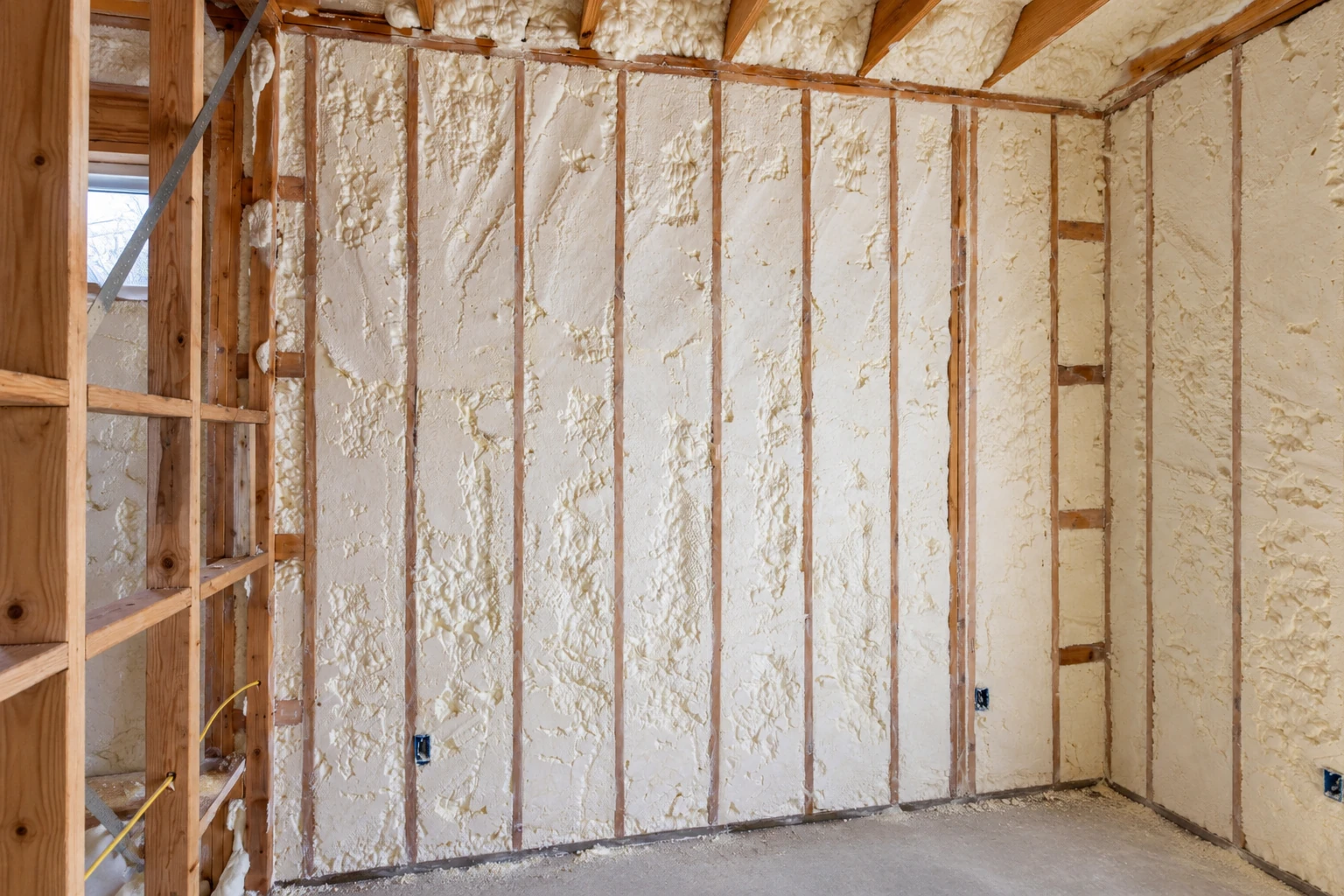
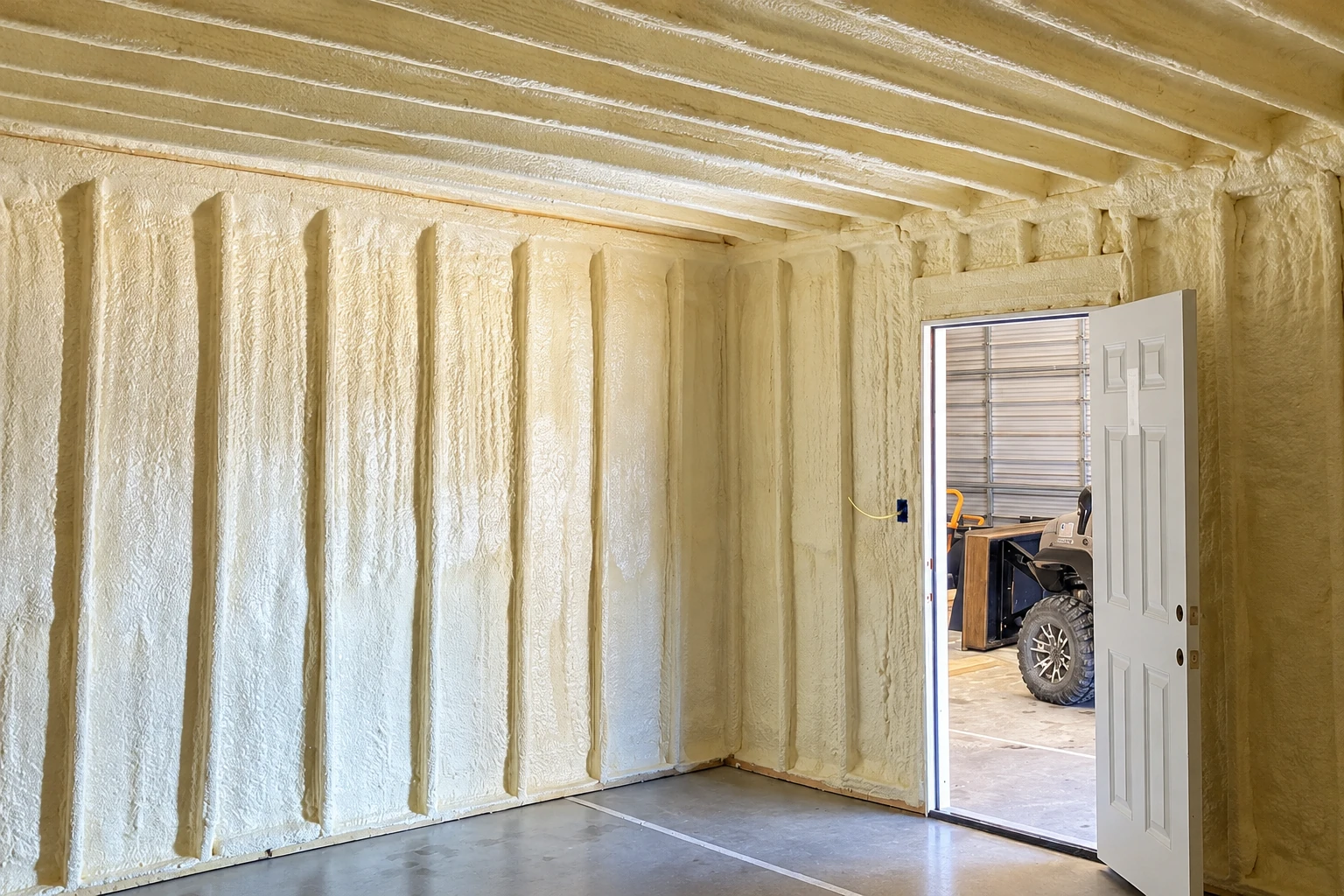
Is it the insulation, or is air getting around it?
Air sealing services in Redding close the gaps where air moves between your rooms and the attic, the crawl space or the outdoors, using sealant, one-part spray foam or solid blocking over the bigger holes. In an existing attic the sealing goes in first, before any new insulation, so your house stops losing its heat in winter and its cool in summer.
Most people call because a room won't behave. It's hot upstairs by mid-afternoon, the room over the garage never warms up, or the power bill keeps climbing even after someone added attic insulation, and usually that's because air is slipping right around it. The price moves with how many gaps your house has, how easy the attic is to get around in and how much old insulation has to be moved or cleared first. The schedule mostly turns on whether a repair, like a roof leak, has to happen before we seal and whether the job needs a permit. Your written estimate lays out the work, the order it should go in and your price.
How we handle air sealing
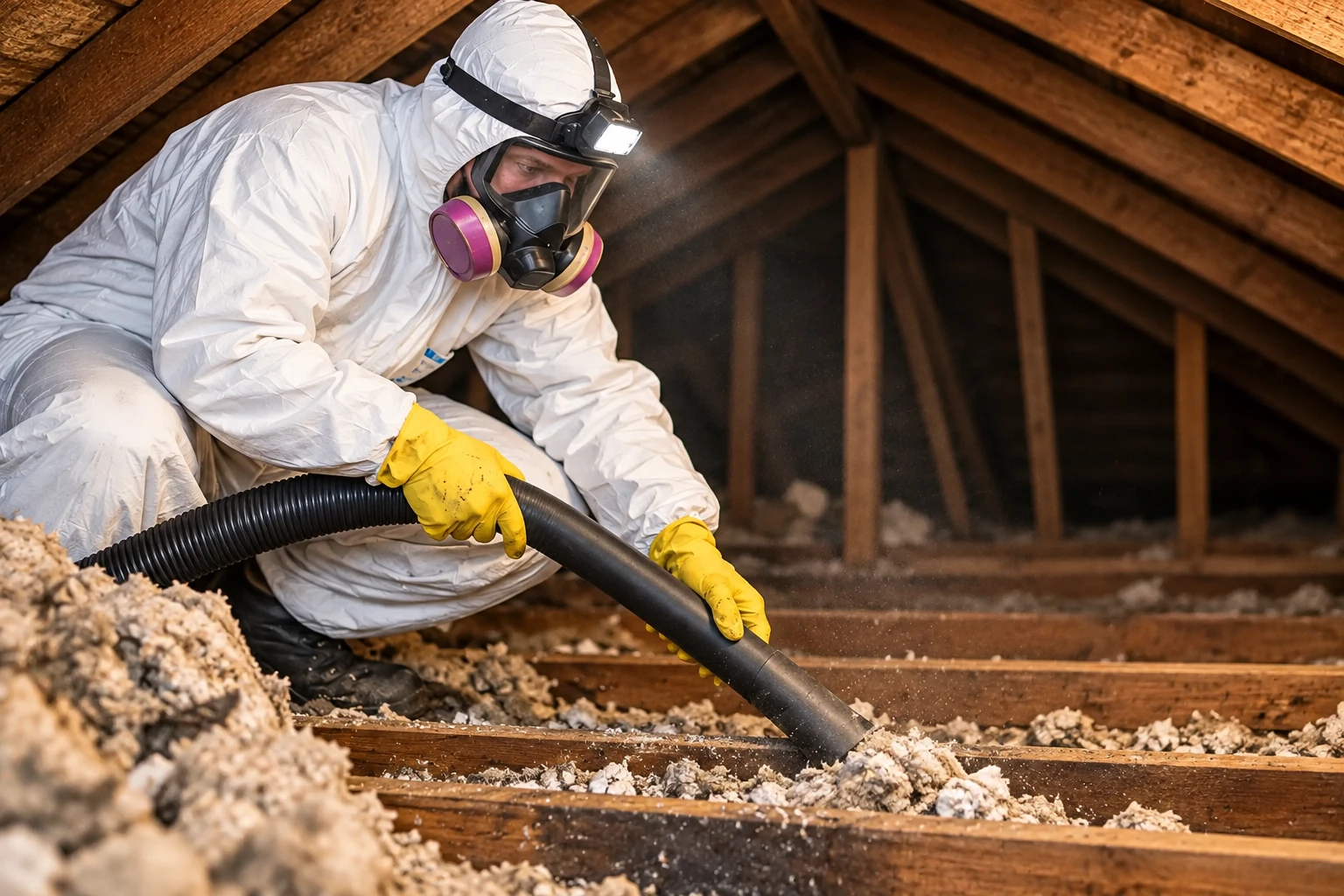
We go looking for the leaks instead of guessing, because the ones that matter most are usually hidden under old insulation, around the attic hatch, behind can lights and where pipes and wires come up through the tops of the walls. Before we close anything, we work out how much fresh air your house needs and how your gas furnace, water heater, stove or fireplace gets its air, since those appliances still have to vent properly once the gaps are gone. Then our installers cover the big holes and open soffits with solid blocking, use metal around hot flues instead of foam, and seal the small gaps with caulk or one-part spray foam. We leave open the vents your house needs, and only after the sealing is done does any new insulation go on.
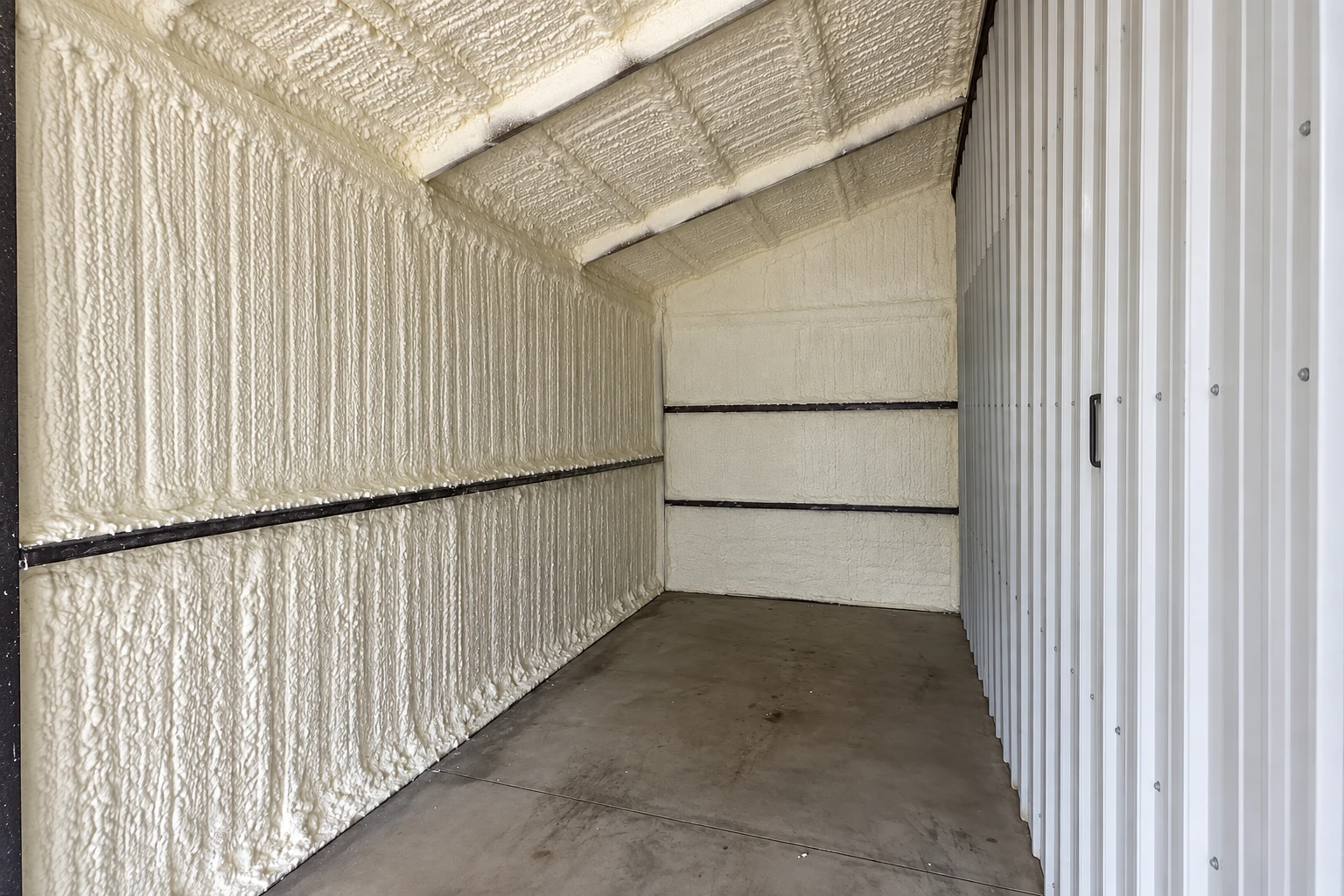
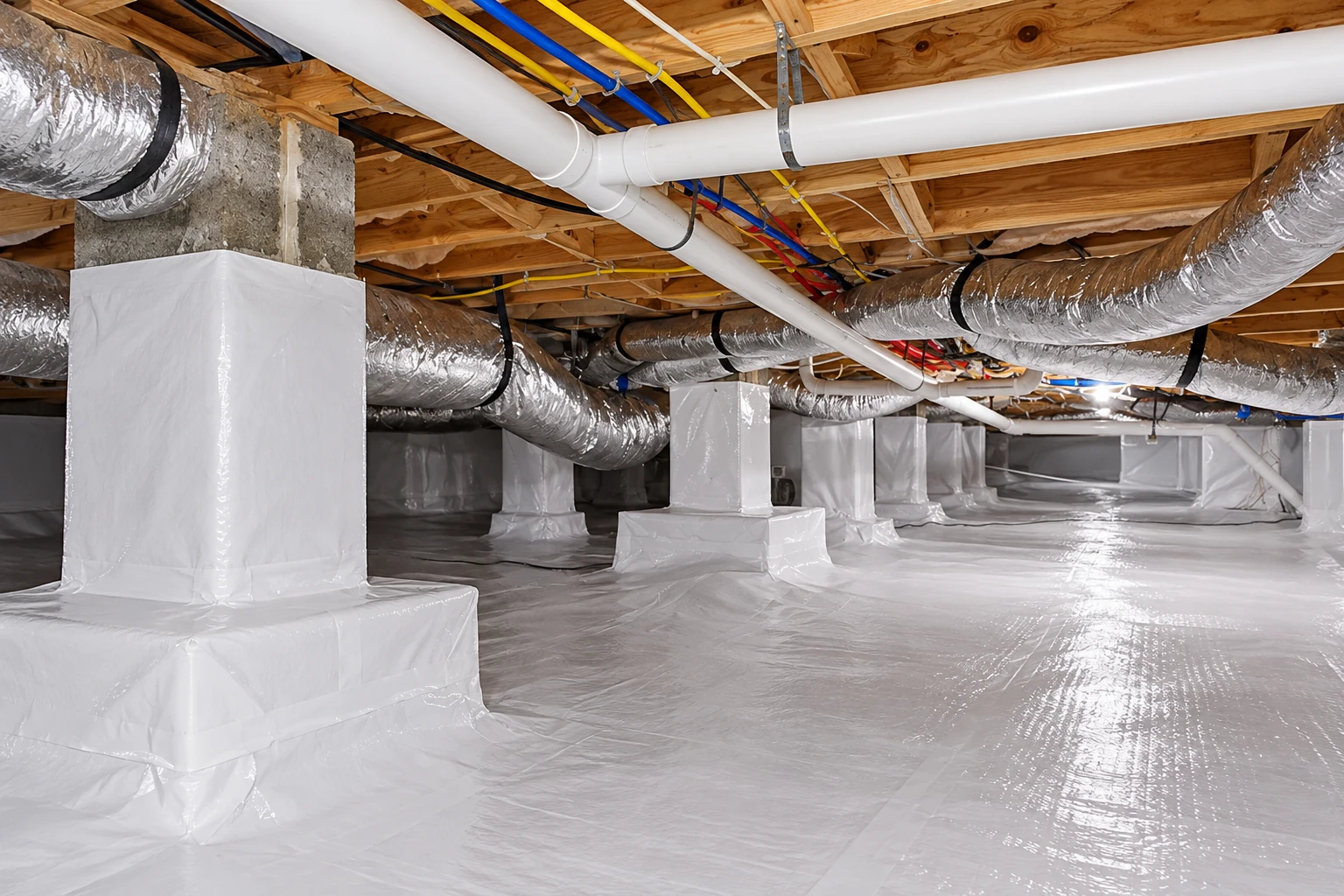
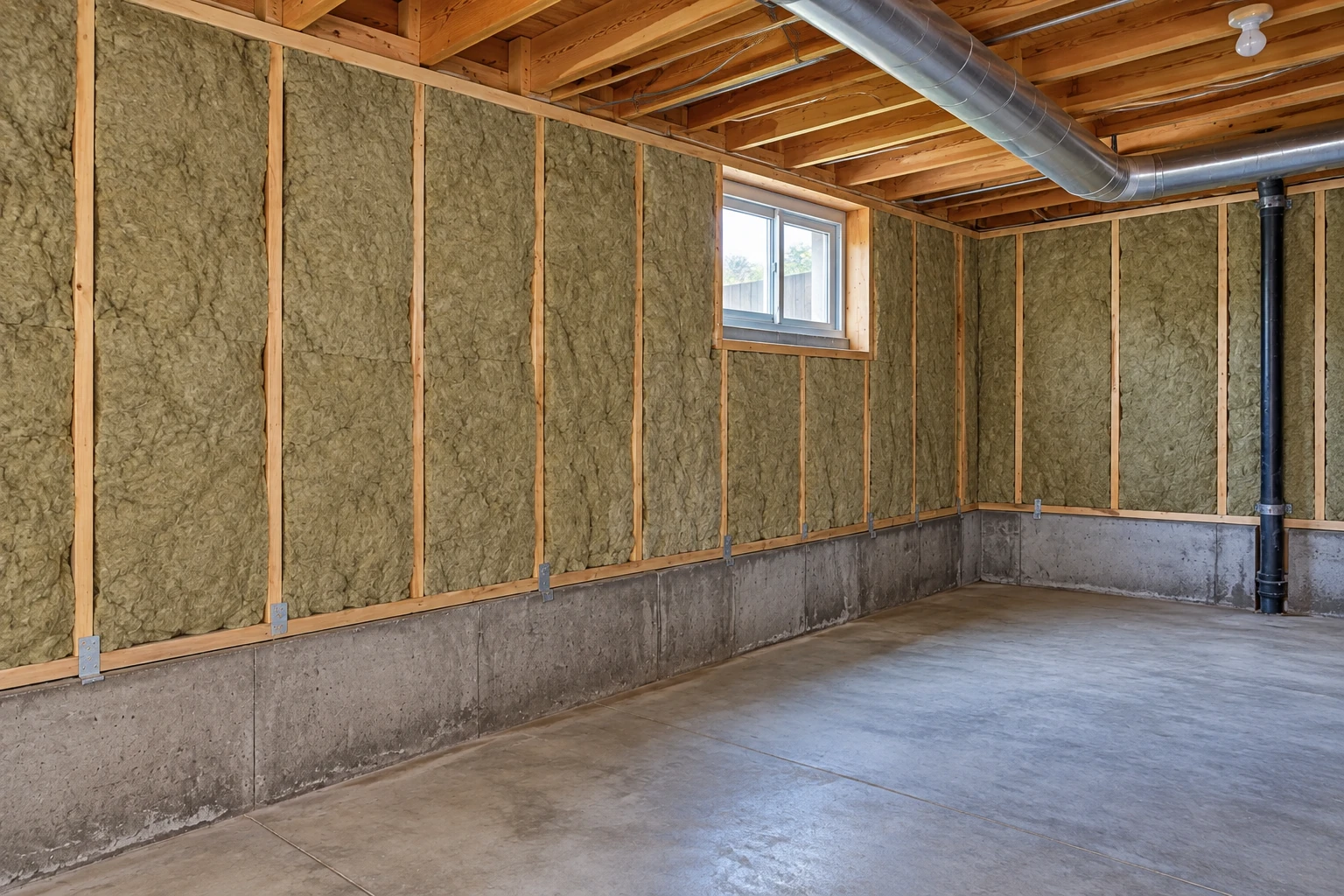
That last step is where the real choice comes in. Closed-cell foam insulation, a dense foam that blocks moisture, seals and insulates in one pass but costs more, so I usually point people toward sealing the gaps and topping up loose fill unless the ductwork runs through the attic, where foam earns its price. Below the floor the same kind of leaks show up around pipes and the rim of the house, and if you have a basement, basement insulation is the natural next step once those gaps are closed.
Air sealing in Redding, from permits to ember vents
Before we start, we check with the building office that covers your address, because whether a given job needs a permit is that office's call. Inside Redding that's the City of Redding Building Division, which reviews plans, issues permits and handles inspections, and when a permit is needed we take care of the application and set up the inspections with you. The city also asks for a refundable $500 construction waste deposit on residential remodels and repairs before it issues a building permit, so plan on that if your job needs one. We're based in Redding and work the cities around it, and older houses on jobs in Anderson and Shasta Lake hide their gaps the same way, under layers of insulation different owners added over the years.
Fire season adds one more thing to think about. CAL FIRE recommends swapping attic and underfloor vents for flame and ember-resistant vents approved by the State Fire Marshal, or covering them with noncombustible metal mesh, and it notes those changes may cut how much air your attic gets. That's one more reason we seal the leaks and leave the vents alone, and if you're adding ember vents too, CAL FIRE advises asking the local building official about vent rules and hiring a licensed contractor.
How air sealing works with us
Call or send the form
Call (530) 232-9176 or use the form and tell us what you're noticing, like a hot room upstairs or a draft along the floor. We'll set a time for me to come out.
Walk the attic with me
I come out myself and go through the attic, crawl space or walls with you, looking for the hidden leaks and anything that has to be dealt with first, like knob and tube wiring, vermiculite, a bath fan venting into the attic or a roof leak. You get a written estimate with what I found, the order the work should go in and what each part costs, so nothing on the bill is a surprise.
Set a date, then seal
When you're ready we pick a date and handle any permit work with you. Our installers seal the gaps, block the big openings and keep the vents your house needs clear.
Check the work together
When the installers finish, I walk through the job with you and show you what was sealed. We don't call it done until you've seen it.
Get a written air sealing plan for your house
Send the form and we'll get back to you within one business day to set up a visit. I'll come out myself, look through the attic or crawl space with you and give you a written estimate. It's free, and there's no pressure and no obligation.
Questions before you book air sealing
How do I know which air leaks I can seal myself?
You can usually handle the obvious ones yourself, like gaps around door frames and where pipes, vents, wires, ducts and fans pass through the outside walls. The small, hard-to-find leaks are another story, especially in an attic buried under layers of insulation, and that's where it's worth bringing in help.
How does a contractor find hidden air leaks in an attic?
Home energy assessors find them with a blower door test, a big fan that pulls air out of the house so the leaks show, and a thermal camera that shows where warm or cool air is getting through. Having that assessment done first means the sealing goes where your leaks actually are. When I come out, I'll tell you whether your house is the kind where booking one first makes sense.
Which attic vents should stay open after air sealing?
Soffit vents at the eaves, ridge vents, gable vents and any combustion air ducts stay open, because they're built to move air and stop working when they're blocked. We seal around them and keep insulation clear of the eaves, since a buried eave vent can leave moisture in the framing.
How much does air sealing cost in Redding?
It comes down to your attic, so the honest number is the one in your written estimate. A low attic that's hard to crawl through, a ceiling full of can lights or old insulation that's soaked or full of droppings and has to come out first all push the price up, while a roomy attic with a handful of big, easy holes keeps it down. Caulk and blocking cost less than foam, and I'll tell you where the cheaper option does the job.
How long does air sealing take, and do we have to leave the house?
Most air sealing happens in the attic or crawl space, so you can usually stay home while the crew works, and how long it takes depends on the size of the space and what we find under the old insulation. If we use spray foam, the foam maker sets a re-entry time, meaning how long before people and pets come back in, and I'll go over that with you at the estimate.
Do recessed can lights need covers when the attic is air sealed?
They do if they aren't ICAT-rated, meaning rated to touch insulation and built airtight, because the guidance calls for covers over lights without that rating. You can often find the rating on a label inside the fixture, and I'll check yours when I'm up in the attic.
Why Redding homeowners call A&M Redding Insulation Services for air sealing
I write every estimate myself
I come out myself to look at the job and write the estimate, and our installers do the work from that plan. Before we call it done I check the work with you, so the person who found the leaks is the one confirming they're closed.
Started on my own drafty house
I got into this trade trying to work out why two rooms in my own house wouldn't hold their temperature, learned it on an insulation crew and have run this business since 2020. That's why I'll tell you when a job isn't worth doing yet instead of selling you something that won't help.
Licensed and fully insured in California
We're licensed and fully insured. California's Contractors State License Board licenses home improvement contractors and has its own class for insulation work, so you can check anyone before you let them into your attic.
Repairs and sealing come first
We put repairs and sealing ahead of new insulation, because fresh material laid over soaked insulation or open gaps leaves the problem right where it was. The work is backed by our satisfaction guarantee.
On this job the order matters more than the material, so the first step is a look at your attic. Call or send us a note and I'll come see what your house is doing.
Work that often goes with air sealing
Closed-cell foam insulation
When your ducts run through the attic or a space needs a moisture block, dense foam can seal and insulate in a single layer.
Basement insulation
If your house sits over a basement, insulating its walls and rim keeps the floors above from running cold after the gaps are sealed.
Book a look at your attic's hidden leaks
Call (530) 232-9176 or use the form, and have a list ready of your gas appliances, bath fans, any roof leaks and your recessed lights so I know what to check first.