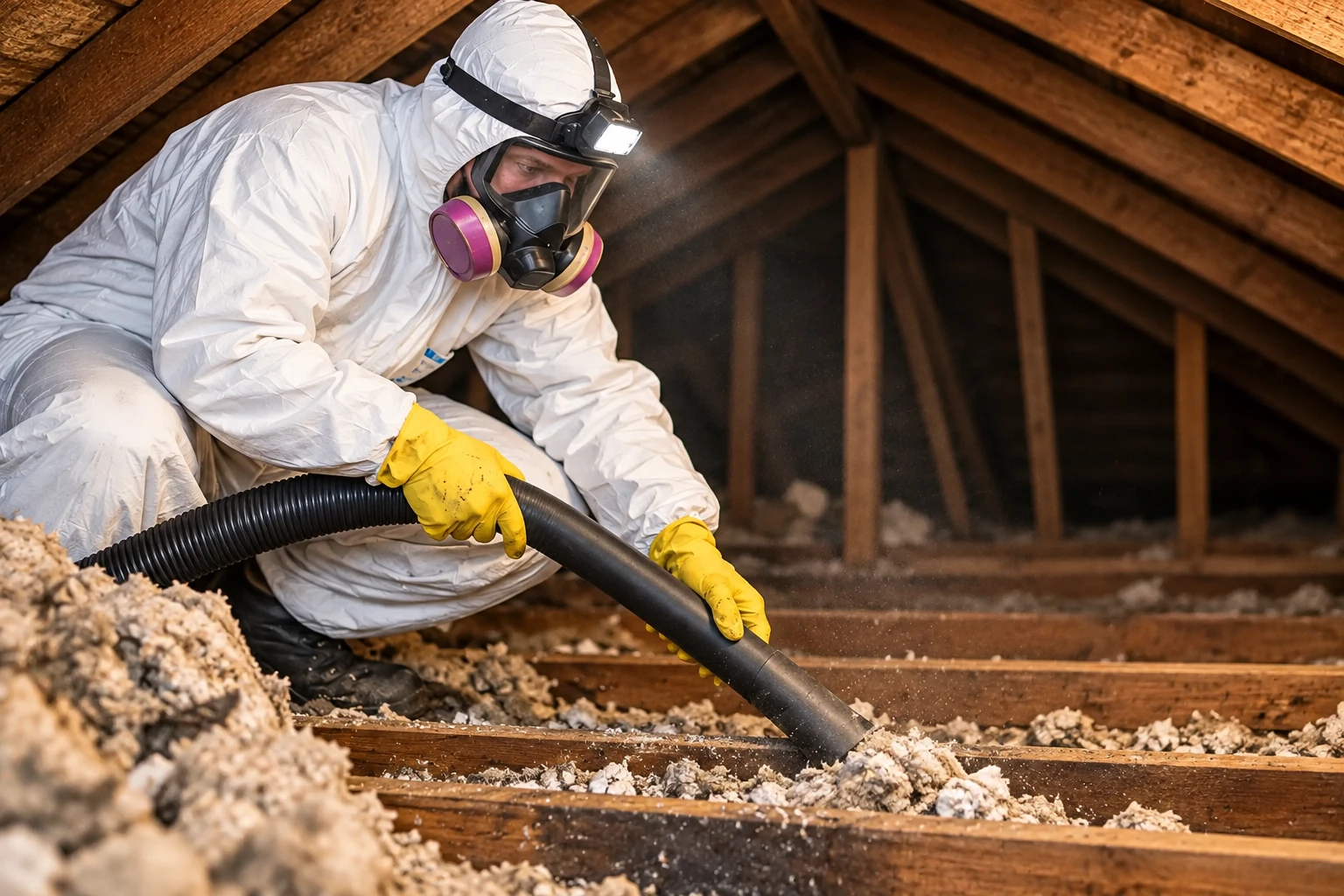
Closed-cell foam insulation in Redding CA - a sealed attic that stays dry
Hot upstairs, ducts baking in the attic, or a drafty room over the garage? We put dense foam where it actually helps.
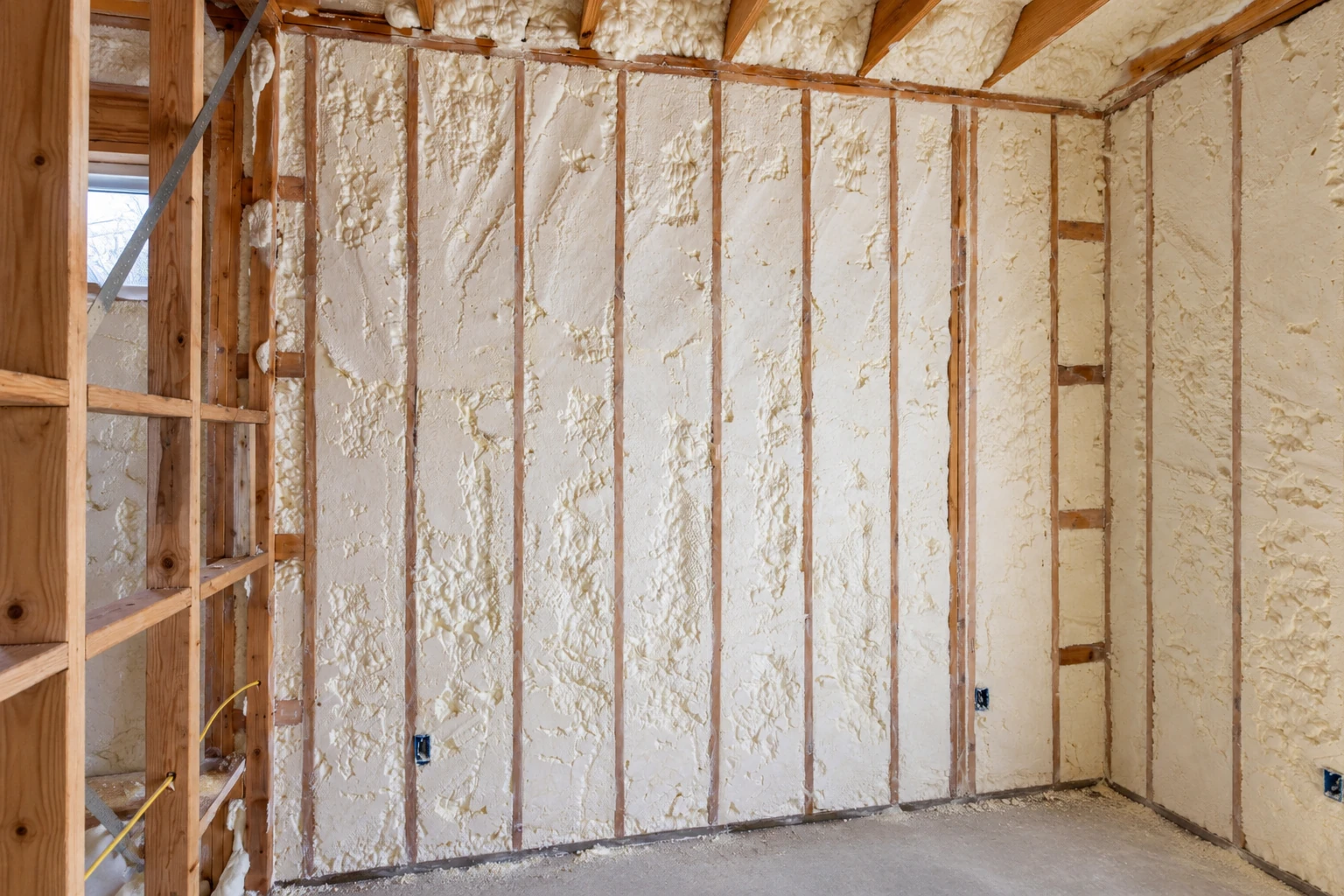
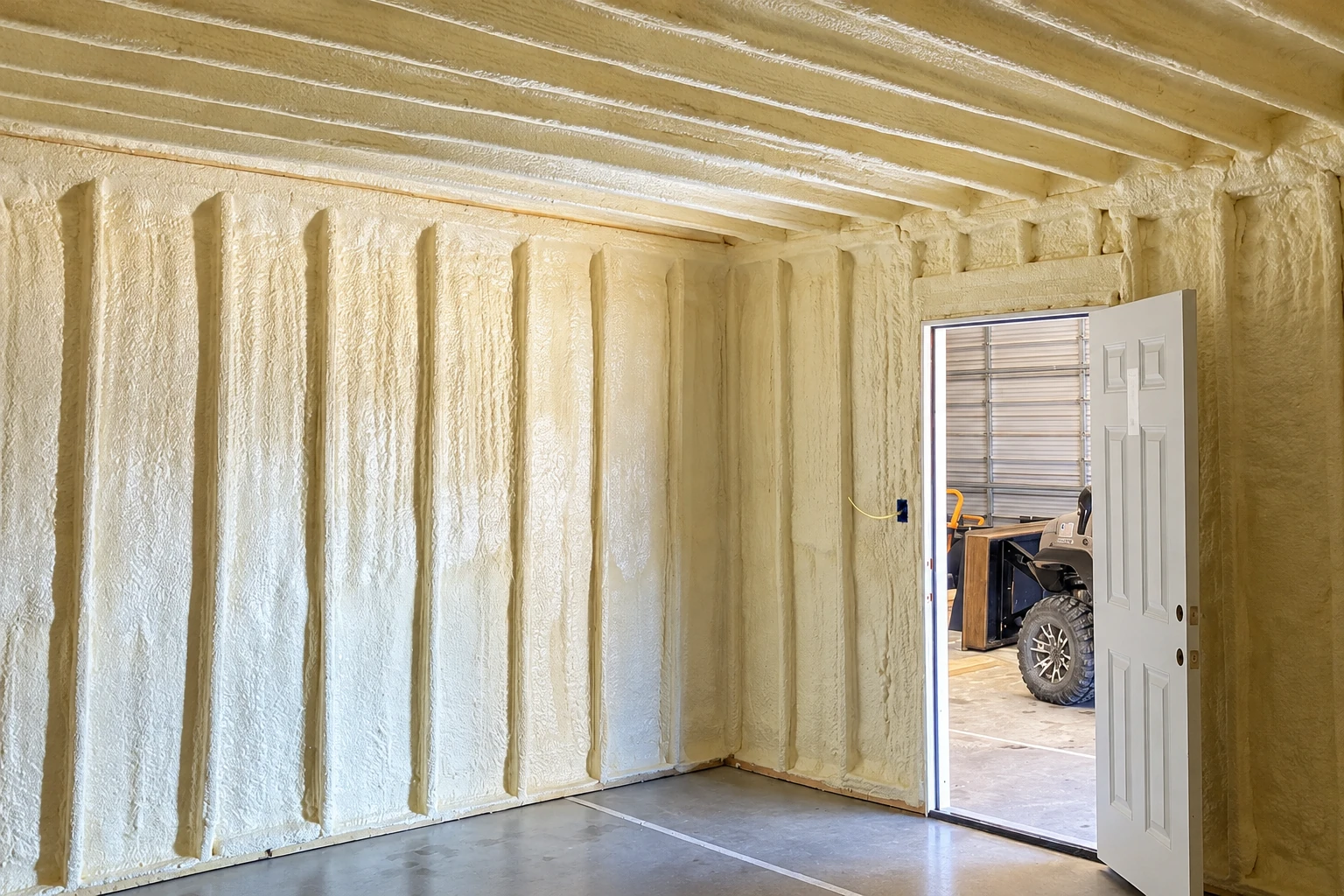
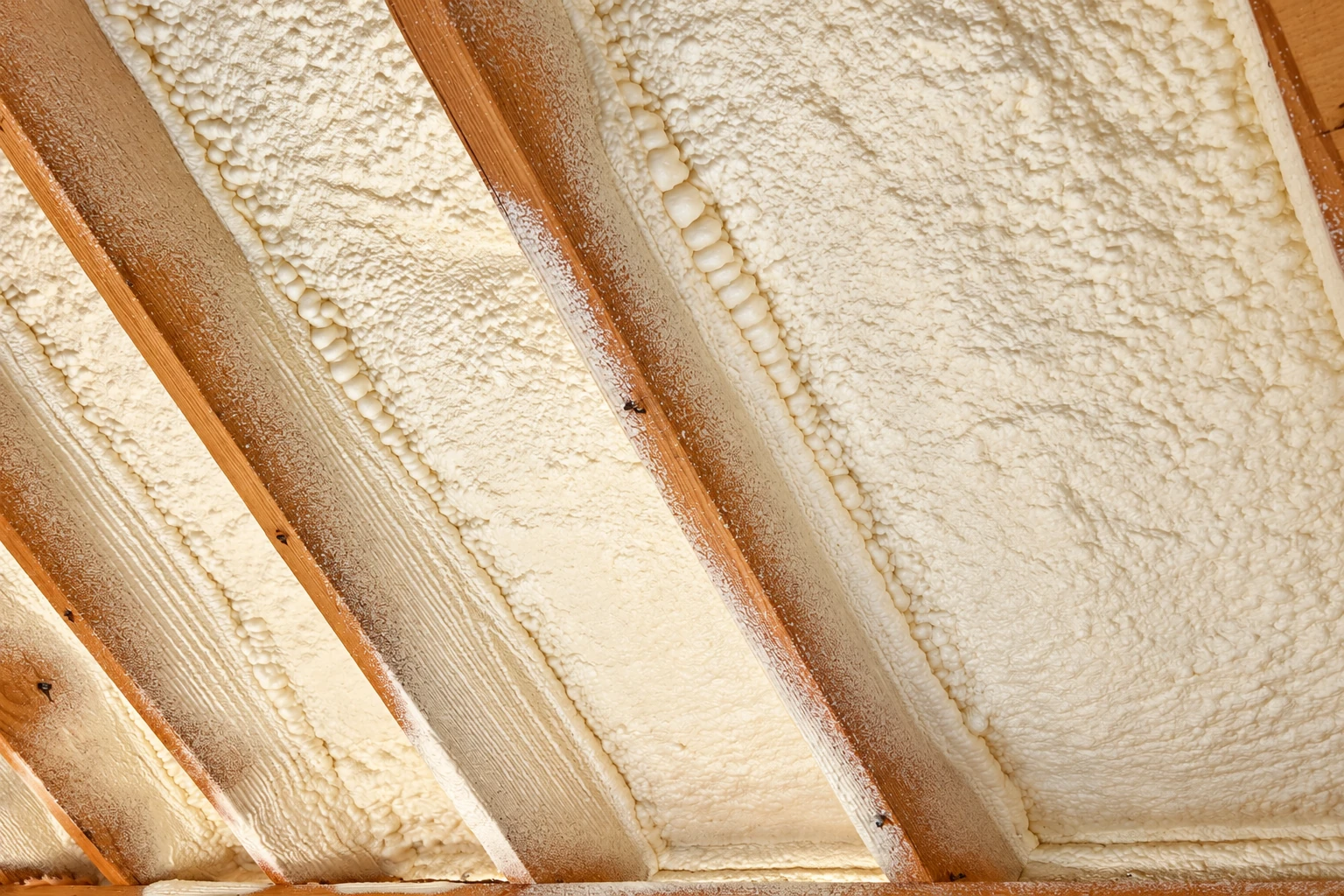
Is closed-cell foam the right insulation for my Redding home?
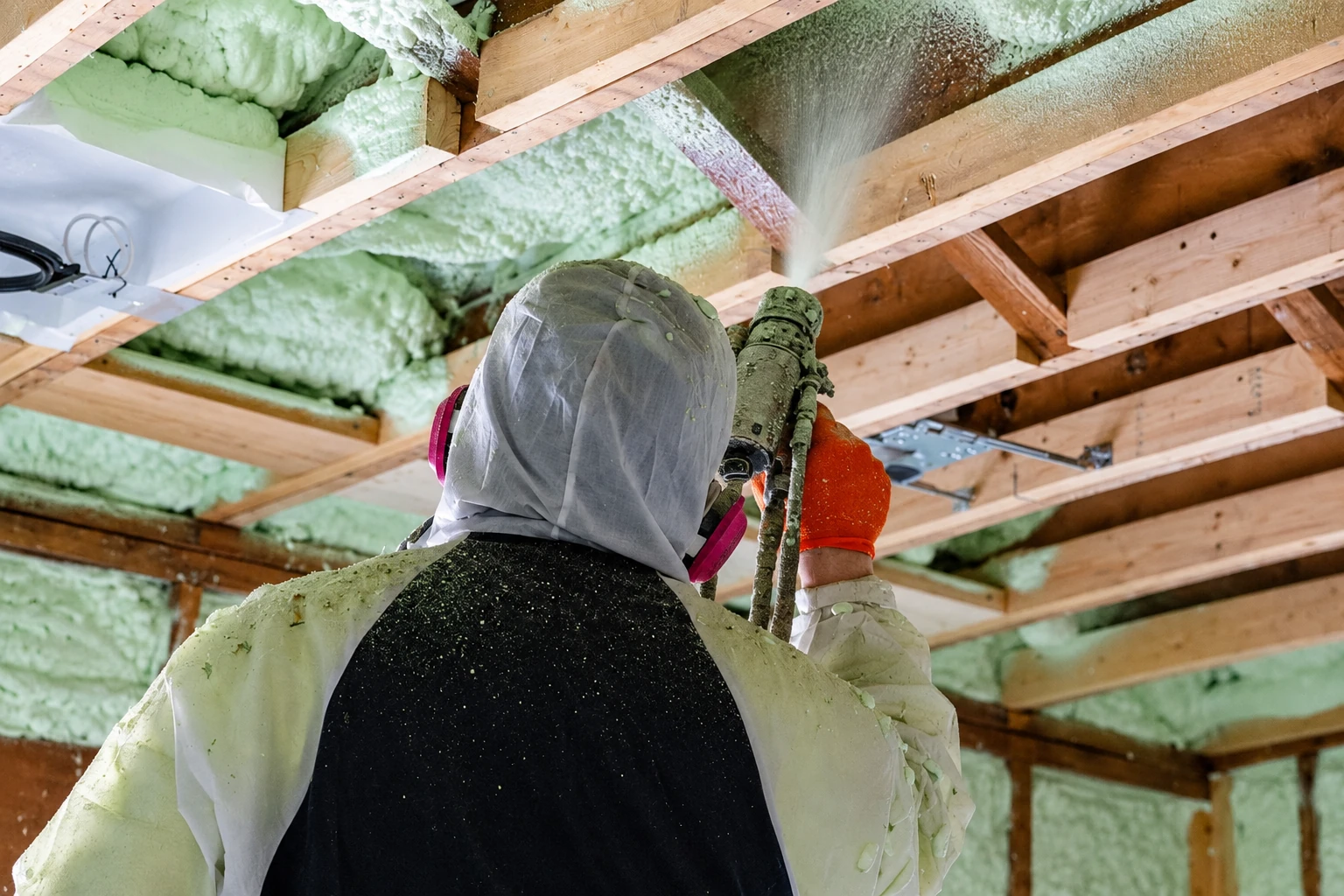
Closed-cell foam insulation is a dense spray foam that hardens in place, sealing air leaks and, at its usual thickness, blocking moisture vapor. In Redding we use it where a house needs both, like under a roof deck with ductwork below it or in a room over the garage.
Most people call us about a room that won't hold its temperature, a hot upstairs or a cold floor over the garage, and they've heard foam fixes it. The price turns on how many square feet we're covering, how thick the foam goes, whether we need to do insulation removal first and whether the foam needs a protective layer over it. The schedule turns on that prep, any permit check and the time you'll spend out of the house while the foam cures. After I look at the house, the written estimate I give you lays out the work and the order it goes in.
How we handle closed-cell foam insulation
I start by working out where the house is really losing air, because closed-cell foam earns its keep in some spots and is more than you need in others. Then we talk through whether to seal the attic at the roof line or keep it vented. I'll tell you plainly when air sealing, closing the gaps around lights, pipes and the hatch, plus a top-up of blown-in insulation would do more for the money, which it usually does unless your ductwork lives up there. If we do seal the roof line, that attic needs a plan for staying dry, so we build it into the job from the start. On install day our crew covers wiring and equipment, clears dust off the framing, makes sure the roof wood is dry and checks that the weather fits the foam maker's range before anyone sprays. Then we clean up and air the space out before you come back.
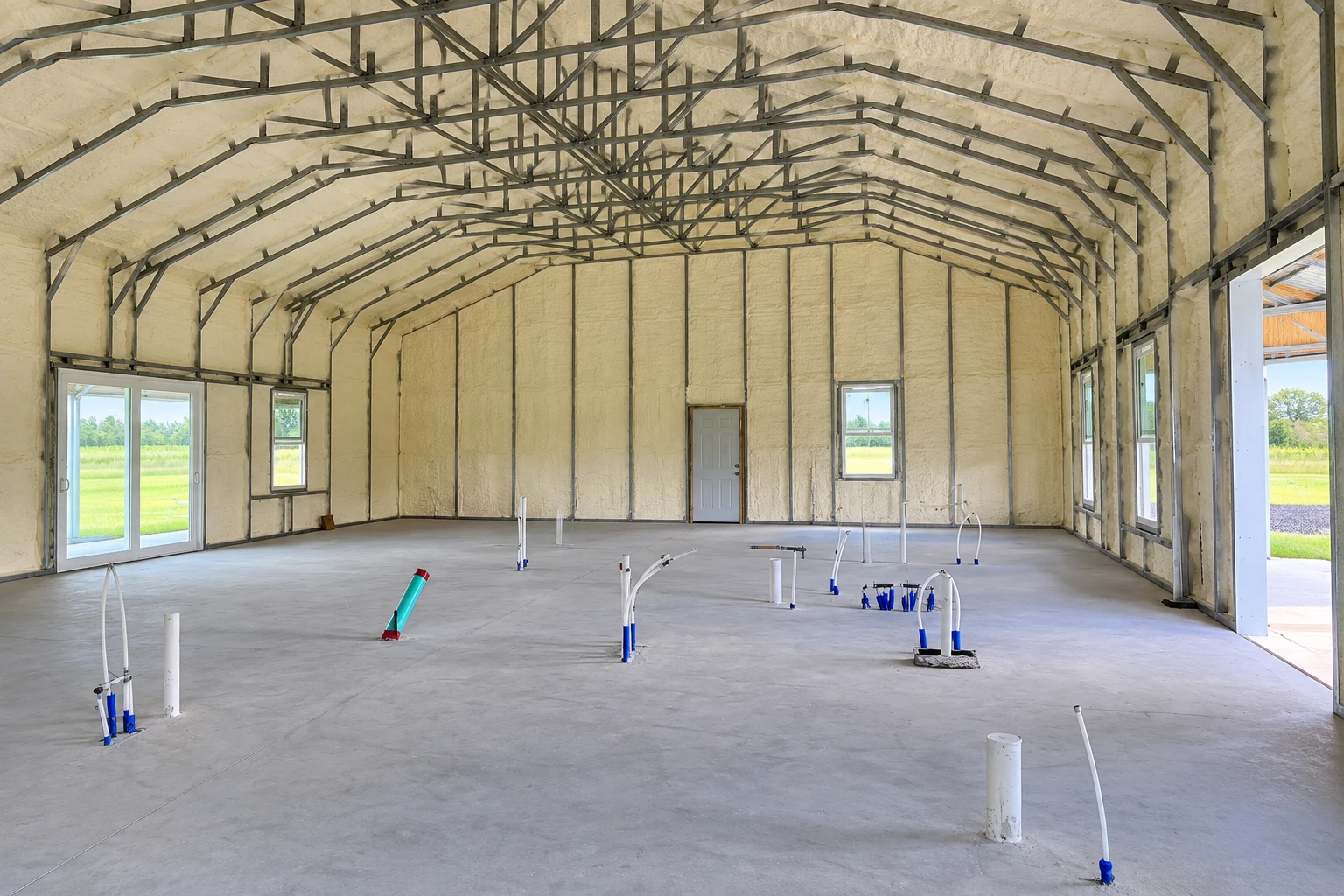
When moisture isn't the worry, open-cell foam insulation is lighter and usually costs less, and I'll say so when it's the better fit. We also spray closed-cell foam in shops, offices and other business buildings as part of our commercial insulation work.
What closed-cell foam insulation involves in Redding
Whether a foam job needs a permit isn't something I'd guess at, so before we start we check with the building office that covers your address. Inside the city that's the City of Redding Building Division, which reviews plans, issues permits and does inspections. When a permit is needed, we handle the application and set up the inspections with you. The state's Energy Code also sets efficiency rules for changes to existing homes, not just new ones. Whoever sprays your foam should hold a state license, because the state licensing board puts insulation work under its C-2 insulation contractor class.
A lot of the foam calls we get in Redding come from older houses with a bonus room over the garage or an upstairs bedroom under a low roof, often with ductwork running through the attic overhead. Those are the spots where closed-cell foam is worth the extra cost. We see the same layouts on jobs in Anderson and Happy Valley.
How a closed-cell foam job goes
Call or send the form
Tell us which rooms bother you, and we'll set a time for me to come out. If you know your ducts run through the attic, mention it, because that shapes the whole conversation.
Walk the attic with me
I come out myself, look through the attic, crawl space or walls with you and note what I find. I explain the order the work should go in, and you get a written estimate showing what we'd do and what it costs before you decide anything.
Schedule the job and permits
When you're ready, we set a date and take care of any permit work with you. We also plan around the wait before you can come back inside, which the questions below cover.
Spray, clean up, walk through
Our installers prep the space, spray the foam and clean up after themselves. Before we call it done, I walk through the finished work with you.
Get a written estimate for closed-cell foam
Send the form and we'll get back to you within one business day to set a time for me to come out. The estimate is free and done at your house, and you're under no obligation to go ahead.
Questions before you book closed-cell foam
How much does closed-cell spray foam insulation cost in Redding?
Across the US, installed closed-cell spray foam usually costs about $2 to $5 per square foot at typical wall thickness, and that's a national figure, not our price. Where your Redding job lands depends on the area, the depth and the prep, so plan around the written estimate I give you after looking at the house.
How long does it take before we can go back inside after spray foam?
You come back once the foam has cured and the house has been aired out and cleaned, and some foam makers recommend waiting 24 hours, though times vary by product. Plan time away for everyone, kids and pets included, and I'll tell you the re-entry time, when it's safe to come back, for the foam we're using before we set the date.
Does closed-cell spray foam need to be covered with drywall?
Some spray foams need a protective layer, like a coating or drywall, when the foam's properties or the code call for it, and others don't. The foam we choose decides it, so if a covering is needed it goes into the estimate instead of showing up as a surprise.
Do I need a vapor barrier with closed-cell foam insulation?
No. Closed-cell foam at its usual thickness carries its own vapor barrier, and federal guidance says not to add another one on the inside.
What is the best way to insulate an attic in Redding, vented or sealed?
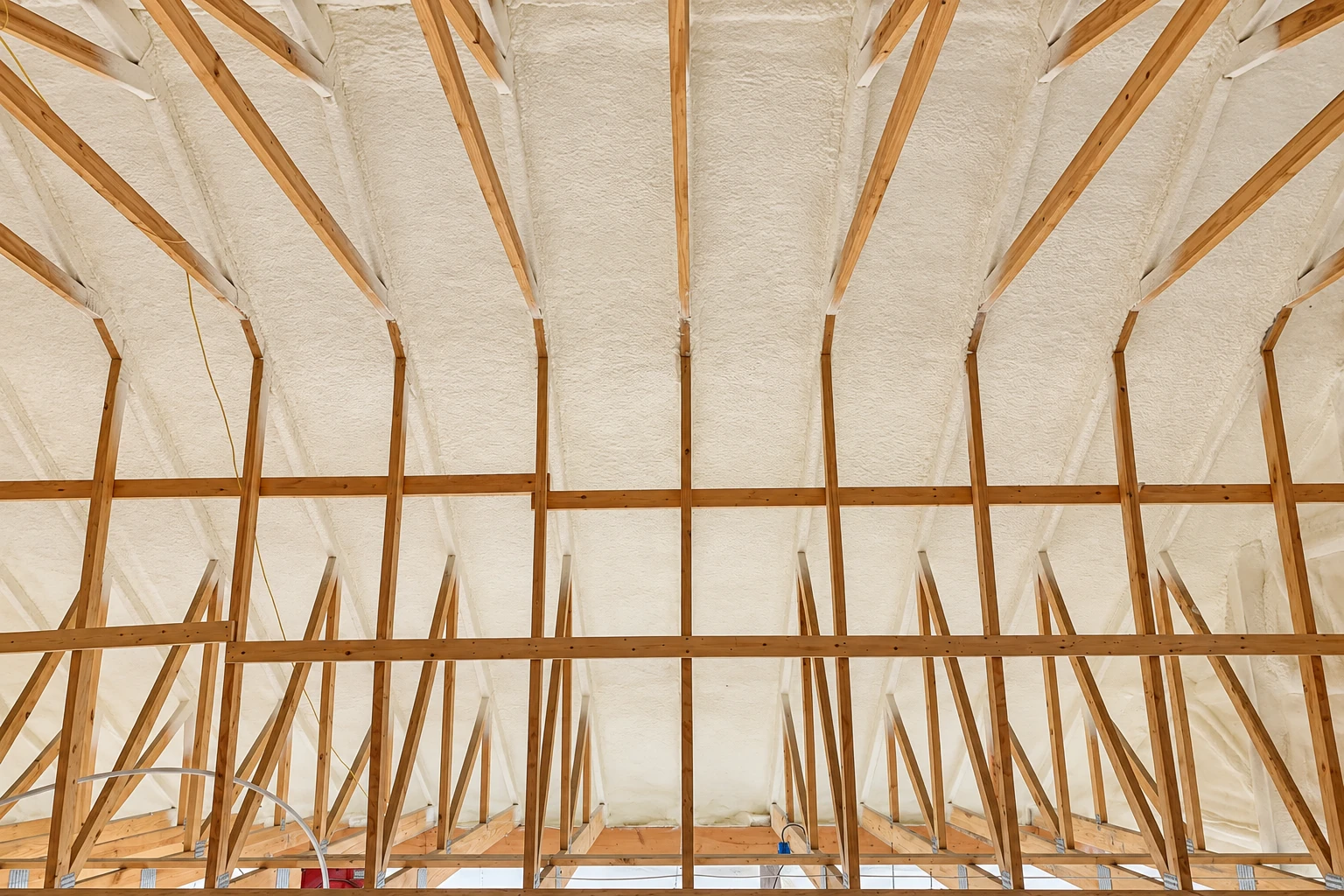
Neither one is best for every house. A vented attic costs less to insulate and makes a roof leak easier to track down, while a sealed attic holds up better against wind-borne embers and gives you insulated room for storage and heating and cooling equipment. I usually lean toward vented unless ducts or equipment are up there, and we'll talk it through in the attic.
What does a sealed attic need to stay dry?
A sealed attic needs a way to remove moisture from the air inside it, because it no longer has vents to carry that moisture off. We work out how that will happen before any foam goes in, so it's part of the plan and the estimate from the start.
Why Redding homeowners call A&M Redding Insulation Services for foam
I write every estimate myself
I look through the house with you and write the estimate. Our installers do the work, and I check it with you before we call it done, so you deal with the same person from the first look to the last walk-through.
Leaks found before anything's sprayed
Since 2020 we've been known for tracking down where a house really loses air, especially older homes that don't behave the way they should. Finding that first means the foam goes where it changes how the room feels, and I'll tell you if a job isn't worth doing yet.
Licensed and fully insured crew
We're licensed and fully insured. California only lets unlicensed workers take jobs up to $1,000 when the work needs no permit and they have no employees, so on foam work you want a licensed crew with insurance behind it in your attic.
On a foam job, getting the plan right in the attic decides everything after it. Request a visit and I'll come out and take a look.
Other insulation work that goes with foam
Open-cell foam insulation
A lighter, lower-cost foam for interior walls and attics where moisture isn't the main concern.
Commercial insulation
The same air and moisture control for the shop, office or other building you own or run.
Book a foam visit for your attic
Call (530) 232-9176, use the form or email sales@insulationredding.com, and if you can tell us which rooms you want insulated and whether your attic has vents, I can bring the right questions to the visit.